Intro
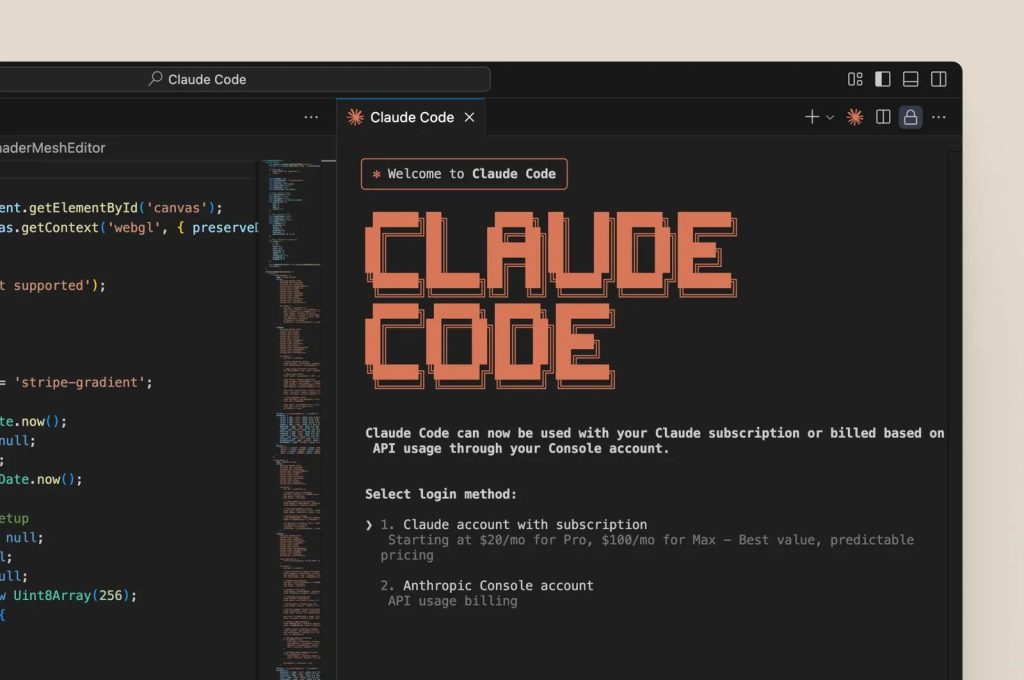
I set my site to charge one cent per page before any AI agent reads it, and Claude Code actually paid me. I’ve been thinking about how to charge AI agents per page since last month when the Google AI contribution pilot announcement made the rounds. Most publishers heard “Google is paying publishers” and assumed they were in. I’m not. The program pays a monthly figure with zero visibility into how that number was calculated. That kind of opacity doesn’t work for someone running a small hosting business where every dollar matters.
So I built the alternative instead of waiting for another dashboard feature to arrive. My page charges agents before they read anything. On September 15, five payments went through, all on testnet USDC so the tokens held no real monetary value. One came from Claude Code running on my own machine. The whole transaction settles on a public ledger with a verifiable hash you can check. That’s different from Google’s pilot, where publishers receive an earnings figure and have to trust that the math is correct.
I wanted to understand the mechanics myself rather than just react to what Cloudflare and Google announced. The x402 payment protocol handles the actual exchange: an agent requests your page, sees the price, pays, and then receives the content. Cloudflare’s Monetization Gateway builds on this same concept. Their Wallets announcement during Agents Week laid out how reserved handles and account limits would eventually work. As of right now, those handles can display a name but cannot send, receive, or hold funds. The products are announced. They are not yet usable.
This post walks through exactly how the payment flow works end to end. I’m not here to sell you on the future of AI monetization. I’m showing you what actually happened when I ran this experiment on my own infrastructure. If you want to try it yourself, the steps come after the context.
Background: Why the Crawler Economy Broke
The deal between search engines and publishers used to be simple enough that you could draw it on a napkin. A bot crawls your site, indexes your content, shows a result when someone searches, and sends a visitor back to your page. You get traffic. Google gets better answers for its users. Everyone walks away satisfied.
That arrangement has fallen apart. Not gradually. All at once, the way a dam breaks rather than the way a tide goes out.
AI agents crawl your pages the same way Googlebot does. They read your articles, your product descriptions, your technical documentation. But when they use that information to synthesize an answer, they do not send anyone to your site. The user gets a summary from the AI app and never clicks through. Your hosting bill stays the same. Your revenue drops.
I have spent months looking at what these systems actually fetch. There is plenty of crawling happening. You can see the requests piling up in your logs. The traffic coming back does not reflect it at all.
Publishers have responded in whatever way their size allows. Smaller sites tend to block AI crawlers outright. I understand why. If someone is taking your content and you are getting nothing in return, blocking them is a reasonable move. But it carries a tradeoff. Restricting access also limits how visible your site becomes in training datasets and AI answers. You are shooting yourself in the foot and wondering why the bleeding does not stop.
Large publishers take a different route. News Corp, the Financial Times, and Reddit all have licensing agreements with AI companies. According to Press Gazette reporting, People Inc.’s chief executive told investors that blocking crawlers through Cloudflare helped bring AI companies to the negotiating table. That works if you have enough content to make your site indispensable. It does not work if you run a small blog or a niche resource.
Google’s new pilot offers a third path. Publishers get a monthly earnings figure in Search Console when their content contributes significantly to an AI-generated answer. The catch is that Google does not explain how it calculates that number. One executive familiar with the program called it a black box.
I ran into this problem myself. When a site charges AI agents per page, you can see the request. You can see the payment. You can verify the transaction hash on the blockchain. With Google’s model, you can only see the output number and hope the math inside is fair. That opacity does not sit well with someone who deals with real invoices every month.
What’s Happening Now With AI Agent Monetization
Google’s AI contribution pilot is the most visible attempt to monetize publisher content for AI use right now. The program pays publishers a monthly figure when their pages contribute significantly to answers generated in AI Overviews, AI Mode, or the Gemini app. It only counts a page if it was read before the answer was written. A link added after the fact does not qualify. As of mid-September, Google had approached dozens of publishers, though smaller sites showed more interest than larger ones. What you do not get from the program is any explanation of how that monthly number was calculated. Suganthan Mohanadasan documented the rollout and described it at Search Engine Journal (opens in new tab), calling it a black box in reports from people close to the program.
My alternative, built on the x402 payment protocol, operates on a completely different principle. I set a price on my page before any AI agent reads it. The agent requests the URL, sees the required payment, settles the charge, and only then receives the content. Every transaction that succeeds records a public transaction hash on the blockchain. You can look it up yourself. I verified five payments on the morning of September 15. One came from Claude Code running locally on my machine, using a wallet I configured for it. That transparency is the whole point. I deal with invoices for server costs every month. I know exactly what each vendor charges me and I can audit the charges line by line. Google’s payout gives me none of that. I see a number and an invitation to trust them.
There is an important qualification here. Every payment so far has come from my own test agents. No external search crawler has turned up and paid me yet. The funds also use testnet USDC, which carries no real monetary value. The mechanics work. The money flow is clean. Whether this scales to live dollars on mainnet remains an open question. Cloudflare has announced its Monetization Gateway with the same general architecture. They moved their stated default approach from pay per crawl toward pay per use in July, citing pilot conversations with Ceramic.ai and You.com. Their position, as reported by Press Gazette, is that fetching a page does not prove the content was actually consumed. That distinction is fair. But it is also something the site owner cannot independently observe with Google’s model. With x402, I can check the request, the price, and the settled payment myself. I do not have to take anyone’s word for it.
What It Means in Practice: How to Charge AI Agents Per Page
When an agent requests your page, it checks whether a price is set before it receives any content. If the agent has a wallet and sufficient balance, the payment goes through, and only then does your server return the page. Every transaction that succeeds records a public transaction hash on the blockchain. You can look it up yourself. I verified five payments on the morning of September 15. One came from Claude Code running locally on my machine, using a wallet I configured for it. That transparency is the whole point. I deal with invoices for server costs every month. I know exactly what each vendor charges me and I can audit the charges line by line. Google’s payout gives me none of that. I see a number and an invitation to trust them.
There is an important qualification here. Every payment so far has come from my own test agents. No external search crawler has turned up and paid me yet. The funds also use testnet USDC, which carries no real monetary value. The mechanics work. The money flow is clean. Whether this scales to live dollars on mainnet remains an open question. Cloudflare has announced its Monetization Gateway with the same general architecture. They moved their stated default approach from pay per crawl toward pay per use in July, citing pilot conversations with Ceramic.ai and You.com. Their position, as reported by Press Gazette, is that fetching a page does not prove the content was actually consumed. That distinction is fair. But it is also something the site owner cannot independently observe with Google’s model. With x402, I can check the request, the price, and the settled payment myself. I do not have to take anyone’s word for it.
What to Expect Next as Google AI Publisher Pilots Expand
Cloudflare’s Monetization Gateway is still behind a waitlist. When I checked their documentation recently, access was limited to an invitation-based queue. That means if you want to build on this today, you are working off announced architecture, not a product you can log into and configure. The gap between what Cloudflare described during Agents Week and what actually runs on your server is real and noticeable.
Reserved wallet handles illustrate the point. You can grab a handle now and it gives you a page with your name on it. It also sends a notification when Wallets launches. But as of mid-September, that handle cannot send or receive funds. It cannot hold anything. If you built your entire monetization strategy around a reserved handle today, you would have a sign on a mailbox that cannot open. The infrastructure is being built, but it is not ready for production traffic.
The same uncertainty applies to the x402 demo I ran. Testnet USDC settled cleanly. Transaction hashes appeared. Claude Code paid one cent and received the page. This worked on my end because the agents were mine and the network conditions were controlled. I do not know how this holds up when a hundred different agents from a hundred different providers hit the same endpoint at the same time. I do not know what happens to pricing when testnet transitions to mainnet and real dollars move through the pipe. Those are open questions.
My expectation is that more publishers will shift away from blanket crawler blocking toward setting explicit prices. Blocking an agent is simple, but it also blocks visibility. Licensing deals require legal departments and negotiating leverage that most independent publishers do not have. A per-page charge sits somewhere in the middle. It is technical, it is transparent, and it does not require a lawyer to set up once the tooling matures.
I suspect the rollout will be uneven. Some publishers will get early access to the Monetization Gateway while others wait. Google’s AI contribution pilot expands to more publishers through September and beyond, but the calculation remains opaque. These two models will run in parallel for a while. One gives you verifiable receipts. The other gives you a monthly number and trust me language.
If you are testing this, start small. Pick one page, implement a basic x402 charge, and watch what happens. Monitor how often agents actually request that page and how often they pay rather than walking away. The data you collect there will matter more than any announcement Cloudflare or Google drops next month.
Your Concrete Next Step
If you want to test this yourself, here is where I would start. Claim a Cloudflare wallet handle before anyone else in your niche does. The reservation is free and takes about thirty seconds. As of now it is just a name on a page, but when the wallets activate, you will have one ready instead of scrambling to set it up while also debugging your x402 implementation.
Join the Monetization Gateway waitlist at the same time. Access is limited and there is no public beta. Being on the list does not guarantee early access, but it is the only path available right now.
Next, pick one low-traffic page on your site and implement a basic x402 charge. I used one cent as my test price. That is low enough that an agent will almost always pay and high enough that you can verify the payment flow end to end. Do not start with your homepage or your most important article. Start with a page you do not mind being read without payment if the experiment fails.
Watch what happens for at least two weeks. I logged every request and every payment on my own boxes. I noted which agents showed up, which ones paid, and which ones walked away when they saw the price. I also recorded the transaction hashes so I could verify settlement on-chain. That last step is important. A payment that looks successful in your logs might still be stuck in mempool limbo. Checking the hash tells you whether it actually settled.
Monitor your Search Console for any AI contribution pilot invitations. Google has been reaching out to publishers since September. The program is invite-only and the math stays secret, but it is worth having your account flagged early if it comes to you.
Keep your expectations grounded. Testnet USDC is the current medium and it has no real value. When mainnet launches, pricing behavior may change. Agents that paid a cent to test the flow might balk at a dime. That is fine. You are learning what your content is worth and what agents are willing to pay. You are also building the infrastructure before the rest of your competitors do.
Do not wait for everything to be polished. The tooling is rough around the edges right now. The wallets are not fully functional. The gateway is behind a waitlist. The payments run on testnet. That is exactly why you should start now. By the time the products ship, you will already know whether this model works for your site.